




Custom Order Management System
How a Growing E-commerce Brand Unified Orders, Inventory, and Warehousing
TechStack Used


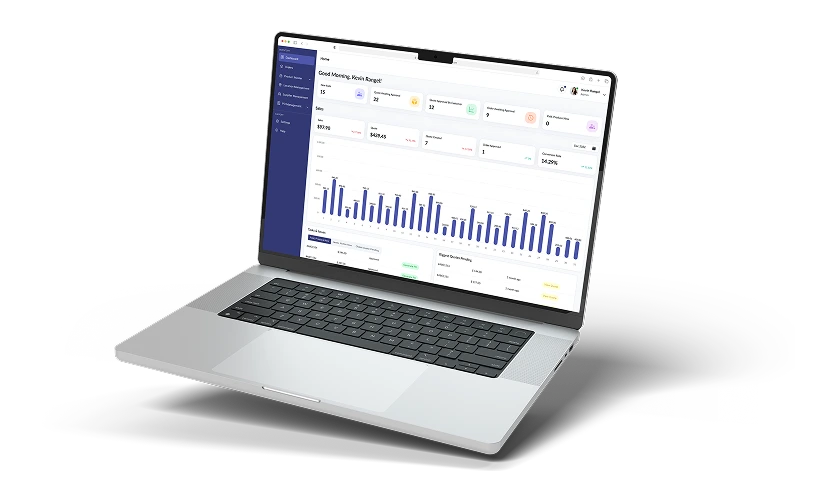
Overview

HQ
Australia

Industry
E-commerce

Product
Order Management System for Online Sellers

Users
Online store owners, warehouses
Project Background
Our client, an Australia-based e-commerce company, operated multiple online stores for promotional products and corporate gifts. As demand grew across Australia and New Zealand, so did their operations. Orders were pouring in from every direction, and the business was scaling faster than its processes could keep up.
Each store functioned in isolation. Orders had to be fetched separately, inventory was tracked across different tools, and the team spent hours coordinating updates. Simple tasks took longer than they should, and the lack of visibility began to affect both efficiency and the customer experience.
The client needed a better way to organize everything. A centralized order management system could consolidate orders, sync inventory, generate quotes, and manage suppliers from a single location.
We built a unified platform that streamlined their backend. We rolled out an internal solution, but it soon evolved into a Saas product that now helps other sellers manage their online orders just as smoothly.
TOPS Strategies in Action
When the client came to us with their requirements to build an order management system, their primary focus was to provide a user-friendly interface. Most of their team members were accustomed to manual processes and spreadsheets, and had no prior experience with a dedicated tool.
The goal was to make the platform feel simple and approachable from the start. Every decision was guided by ease of use and faster adoption, not feature overload. We rolled things out in phases so the team could adapt comfortably while still seeing quick results.
Our key strategies included:
- Designing a clean, intuitive UX with guided workflows and minimal training required
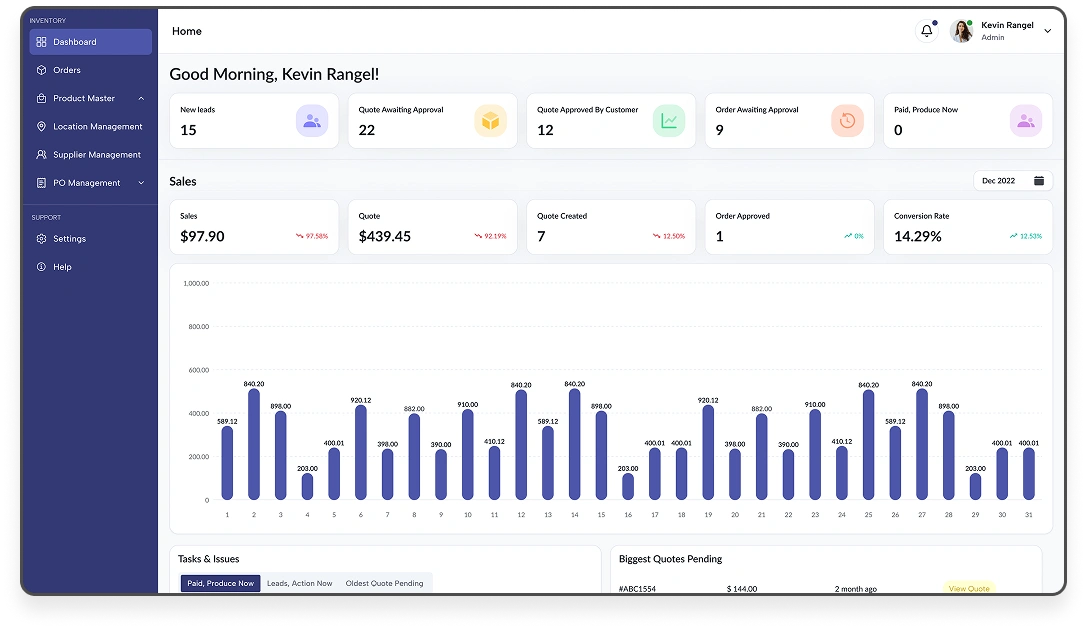
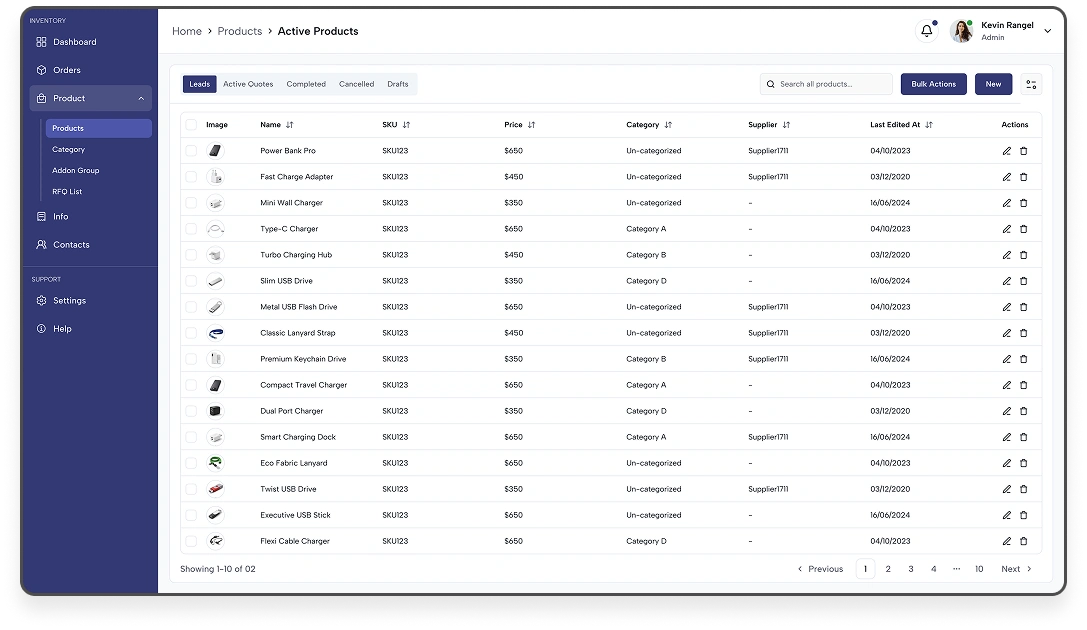
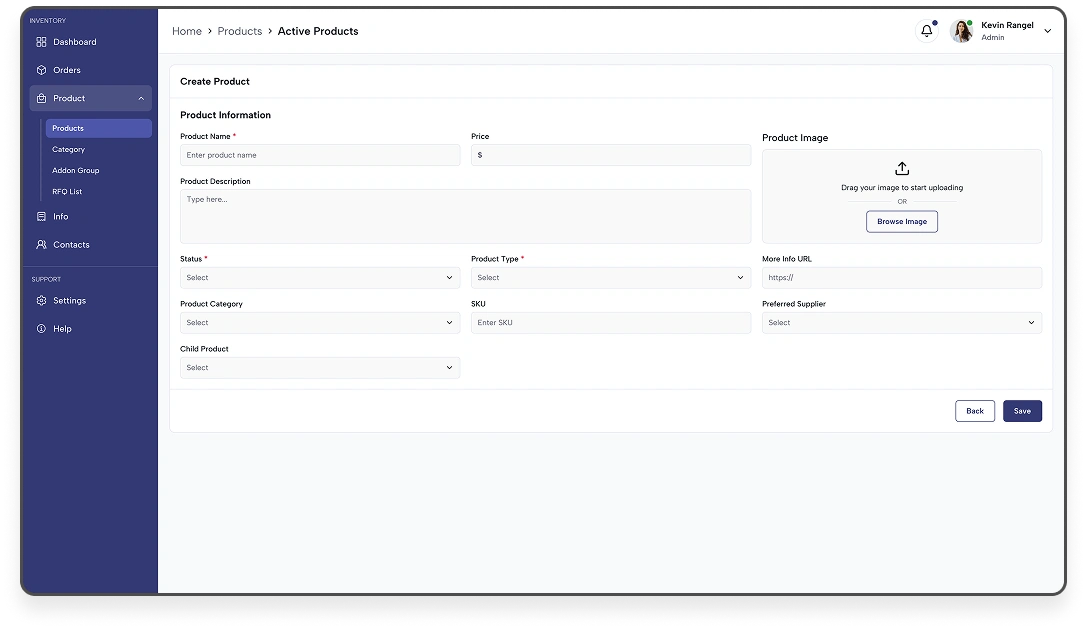
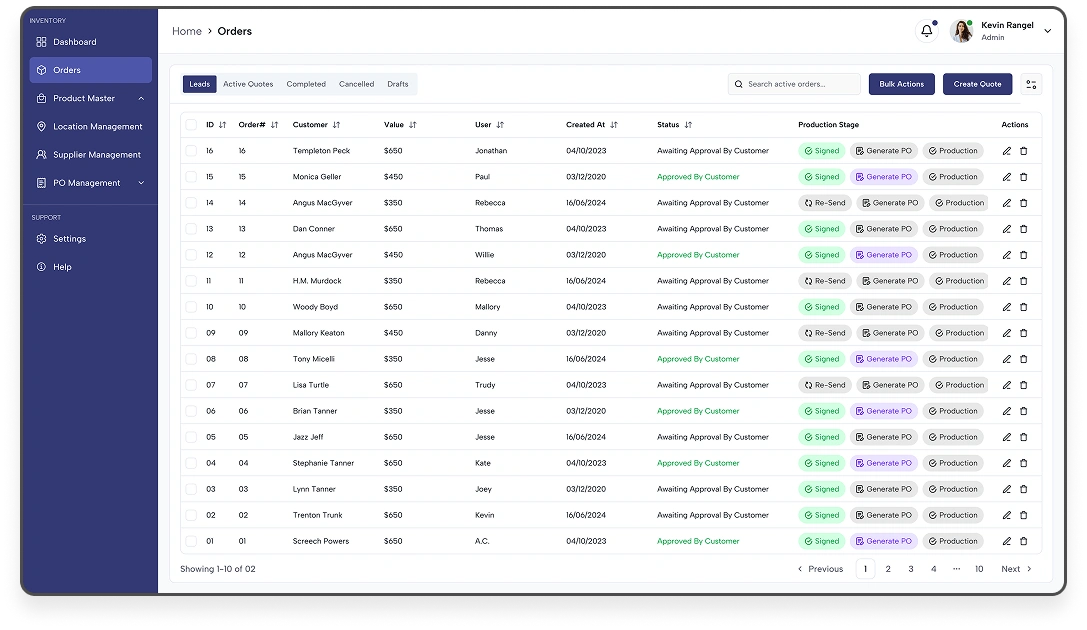
- Prioritizing must have features like order entry, imports, creating quotes, and supplier management
- Streamlining repetitive tasks to reduce manual effort and errors
- Taking an incremental rollout approach to ensure smooth adoption


Challenges
The operations suffered like any other warehouse and online store that relied extensively on manual processes. As the client’s e-commerce network expanded across multiple stores and supplier platforms, their operations became increasingly difficult to manage. Some of the key challenges:
- No centralized view of orders, requiring teams to log into each store portal separately as sales channels expanded
- Manual order entries from external platforms, leading to delays and frequent errors
- Inventory managed through spreadsheets with no real-time stock counting or visibility
- Difficulty identifying item locations within the warehouse, slowing down fulfillment
- Limited visibility into overall sales and performance due to scattered data across platforms
Solution
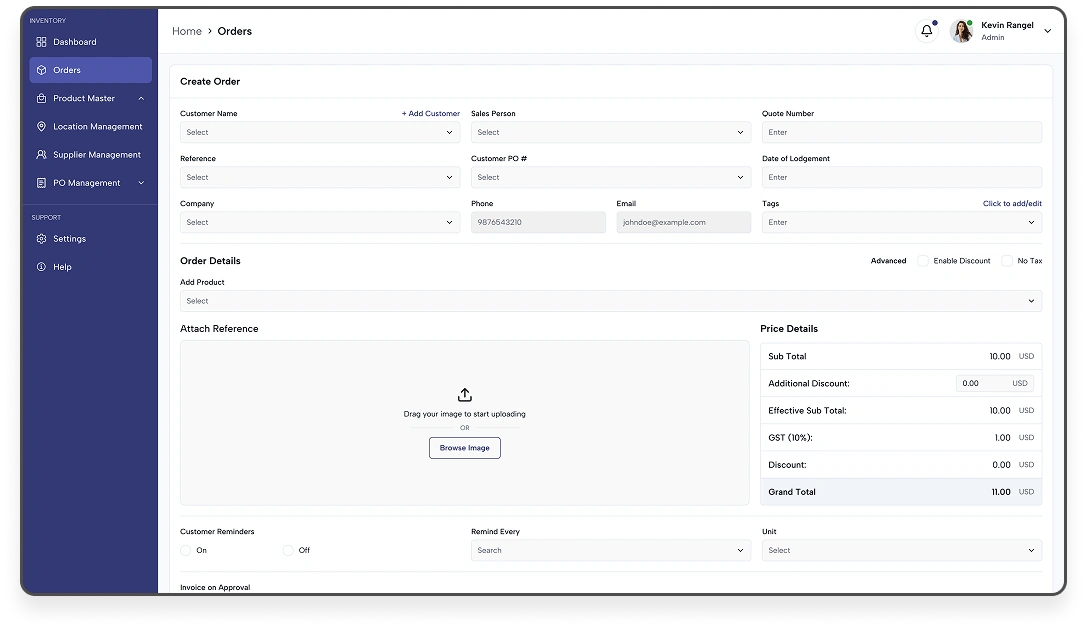
To manage the growing complexity, we built a centralized Order Management System tailored to the client’s workflows.
Stand-out features
Apart from the must-haves, we also had additional features that made our tool stand out.
Auto Quote
For customers submitting product inquiries or custom requests, the details are automatically captured within the platform. By centralizing all quote data and enabling one-click conversion to orders, this feature accelerates sales cycles, improves response times, and ensures no potential order slips through the cracks.
Container Management
It provides complete visibility into freight shipments. Users can track status and view key details like estimated packing and arrival dates, logistics providers, volume capacity, packing locations, and contact information. This helps businesses plan inventory more accurately, anticipate delays, coordinate with suppliers, and avoid stock shortages, making it an essential capability for smoother supply chain and fulfillment management.
Build a custom OMS that fits your business needs
From order management to AI automation, we create scalable systems that grow with you.
What’s next?
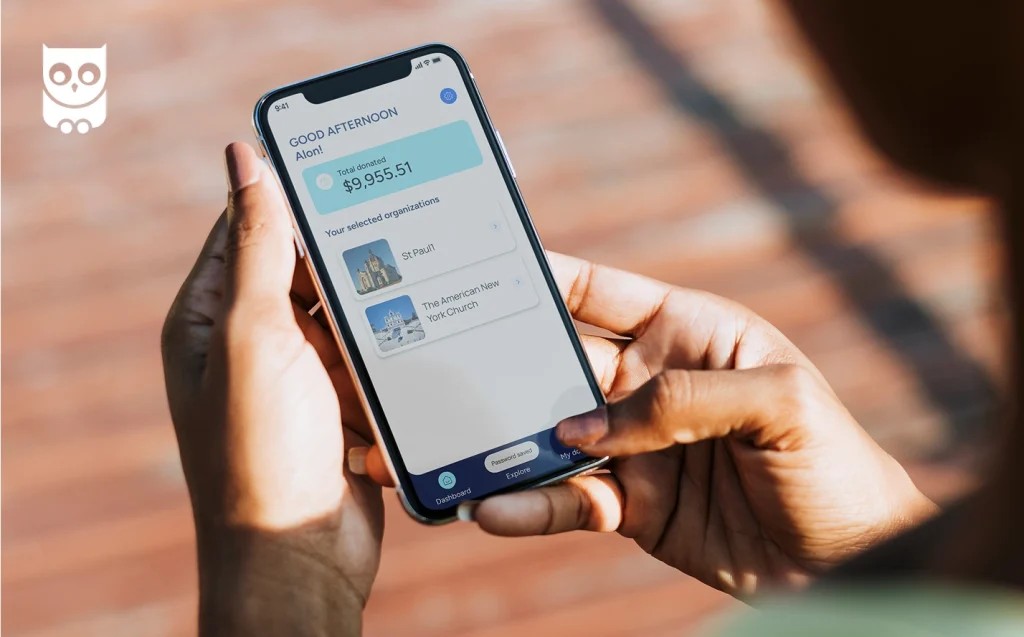
With a growing number of customer inquiries coming in every day, the support team found themselves constantly juggling calls, emails, and messages. Many of these were simple, repetitive questions, yet they consumed a significant portion of the team’s time. The challenge wasn’t just resolving queries, but keeping up with the volume from multiple platforms without overwhelming the team or slowing response times.
View More Case Studies



Get in Touch
Our Offices

Follow us on


Hire Team
Company
Subscribe Us
Get TOPS Infosolutions' latest articles straight to your inbox.


Copyright © 2026 TOPS Infosolutions Pvt Ltd. All Rights Reserved