




























Procurement Solutions
Procurement teams that manage a high volume of purchase orders, supplier relationships, and approval workflows cannot afford systems that create more manual work than they eliminate. TOPS builds procurement software that automates the purchasing cycle, connects your procurement function to your ERP and finance systems, and gives your team the visibility to manage spend and supplier risk with confidence.
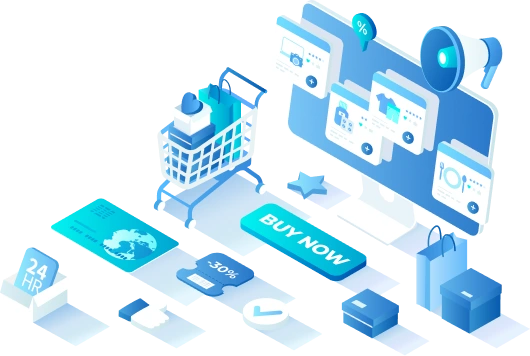
AI-Powered Procurement Software Built for Operational Accuracy and Spend Control
We build custom procurement software development solutions that fill these gaps. TOPS builds platforms that automate the procure-to-pay cycle, connect procurement data to ERP and accounts payable systems in real time, and embed AI where it is most useful. Every build considers your procurement policies, your approval hierarchies, and the compliance requirements specific to your industry and operating environment.
Types of Procurement Software We Develop

E-Procurement Platform

Purchase Order Management System

Supplier Management System

Contract Lifecycle Management Software

Spend Analytics Platform

Vendor Portal
Our Procurement Software Development Services
Technology Consultation
We check critical elements of your procurement workflows. How are purchase requisitions created and approved today? Where does spend data live? What are the manual bottlenecks between requisition and payment? Existing systems, integration dependencies, and compliance obligations are all mapped before any build recommendations are made.
Custom Procurement Software Development
Procurement platforms built specifically for your operating model, whether that is a mid-market business managing a complex supplier network, a regulated enterprise with strict compliance and audit requirements, or a multi-entity organization that needs unified procurement visibility across business units and regions.
ERP and Finance System Integration
Custom procurement platforms connected to your existing ERP, accounts payable, inventory management, and financial planning systems using SAP, Oracle, NetSuite, and other ERP-specific integration frameworks. Real-time data flow between procurement and finance eliminates manual reconciliation and ensures spend data is always accurate and current.
AI and Automation Development
AI capabilities built for procurement environments include spend categorisation and analysis, supplier risk monitoring, intelligent contract clause extraction, automated three-way invoice matching, and agentic workflows for purchase requisition routing and PO management. Built around your procurement data and policies, not generic models.
Legacy Procurement System Modernisation
Outdated procurement tools that limit visibility, restrict integration, or cannot support your current transaction volumes are assessed and modernised using a structured migration methodology. Existing procurement data, supplier records, and contract history are preserved throughout the transition to a modern, scalable platform.
Compliance and Audit Architecture
Role-based access control, comprehensive audit trail logging, e-signature workflows, multi-currency and multi-language support, and compliance with SOX, SOC 2, and applicable regional procurement regulations are designed into the solution architecture from the start, not added after development is complete.
Looking to Automate and Modernise Your Procurement Operations?
Build a custom procurement platform that connects your purchasing workflows, your supplier data, and your financial systems into one accurate, auditable environment.
Our Procurement Software Development Process

Discovery and Procurement Workflow Mapping

Solution Architecture and Compliance Planning

UI/UX Design for Procurement and Finance Users

Agile Development and Procurement QA

ERP Integration and Data Migration

Deployment and Ongoing Support
Embedding AI Across the Procurement Software We Build
Technology Stack for Procurement Software Solutions


Why Choose TOPS for Procurement Software Development

We Understand Procurement at the Workflow Level

Deep ERP and Finance System Integration Experience

AI Built Around Your Procurement Data

We Stay Involved as Your Operations Scale
Frequently Asked Questions
Is your question not here? No Problem, We're waiting for you with more answers! Do not hesitate to contact us if your inquiry was not included in the list.
TOPS develops e-procurement platforms, purchase order management systems, supplier management platforms, contract lifecycle management tools, spend analytics dashboards, and vendor self-service portals. Every platform is built around the specific purchasing workflows, approval structures, compliance requirements, and integration landscape of the organization it serves.
Yes. Custom procurement platforms are connected to SAP, Oracle, NetSuite, Microsoft Dynamics 365, QuickBooks, and other ERP and accounts payable systems using ERP-specific integration frameworks and REST APIs. Every integration is tested for data accuracy and real-time reliability before go-live to ensure procurement and finance data stays consistent across connected systems.
AI applied to procurement automatically categorises and analyses spend data to surface cost-saving and consolidation opportunities, monitors supplier risk using internal performance data and external signals, extracts and reviews contract terms at scale using NLP, and automates multi-step purchasing workflows through agentic AI that handles routine procurement tasks without manual intervention at each step.
Three-way matching is the process of verifying that a supplier invoice matches the original purchase order and the goods receipt before approving payment. Custom procurement software automates this by pulling data from all three documents in real time, flagging exceptions that fall outside predefined tolerance thresholds, routing mismatches for manual review, and processing matched invoices for payment without requiring manual verification for every transaction.
Yes. Custom procurement platforms are built to support multi-entity approval workflows, consolidated spend reporting across business units, multi-currency PO and invoice processing, and region-specific compliance requirements. The architecture accounts for your organizational structure and operating geography from the start rather than treating multi-entity support as an add-on.
Custom procurement software makes the most sense when your purchasing workflows are too complex or non-standard for a generic platform to handle without significant workarounds, when you operate in a regulated industry with specific compliance and audit requirements, when your organization has a large procurement team where per-user SaaS licensing costs are significant, or when you need a platform that integrates cleanly with your existing ERP and financial systems without relying on connector tools.
Timeline depends on platform scope, the number of ERP and finance system integrations, approval workflow complexity, and AI capability requirements. A focused procurement platform with core PO and supplier management functionality typically takes a few months from discovery to go-live. Larger platforms with multi-entity support, full contract lifecycle management, AI analytics, and enterprise ERP integrations are scoped precisely during the discovery and architecture phase.
Yes. Post-launch support covers performance monitoring, regulatory and compliance updates, ERP integration changes, and feature development aligned to your evolving procurement requirements. The engagement is structured for the long term so the platform keeps pace with your organization as your supplier network, transaction volumes, and compliance obligations grow.
Latest Insights in AI
View all Blogs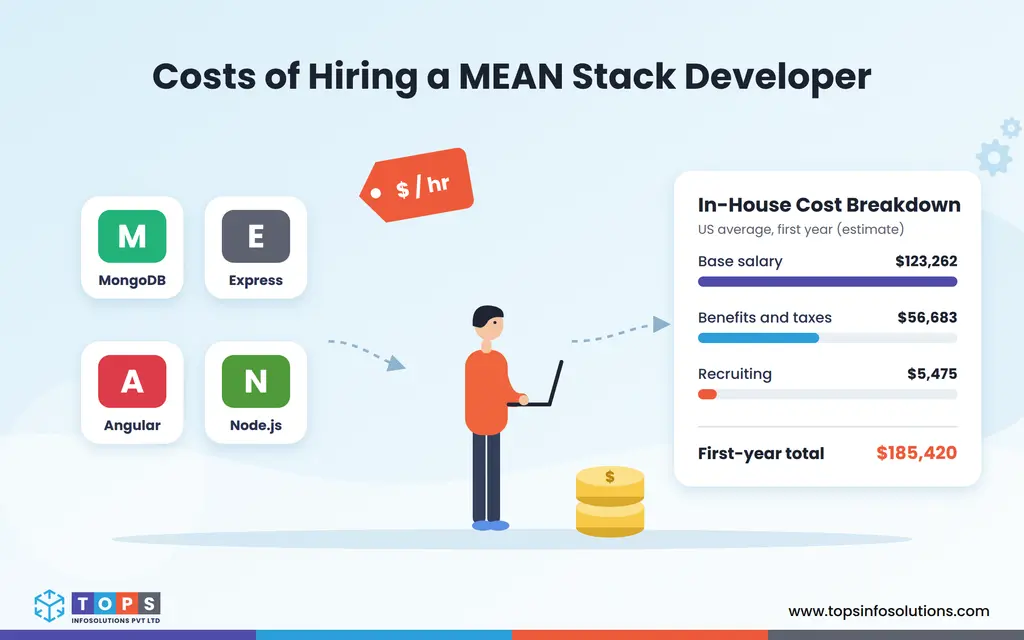
How Much Does It Cost to Hire MEAN Stack Developers in 2027?

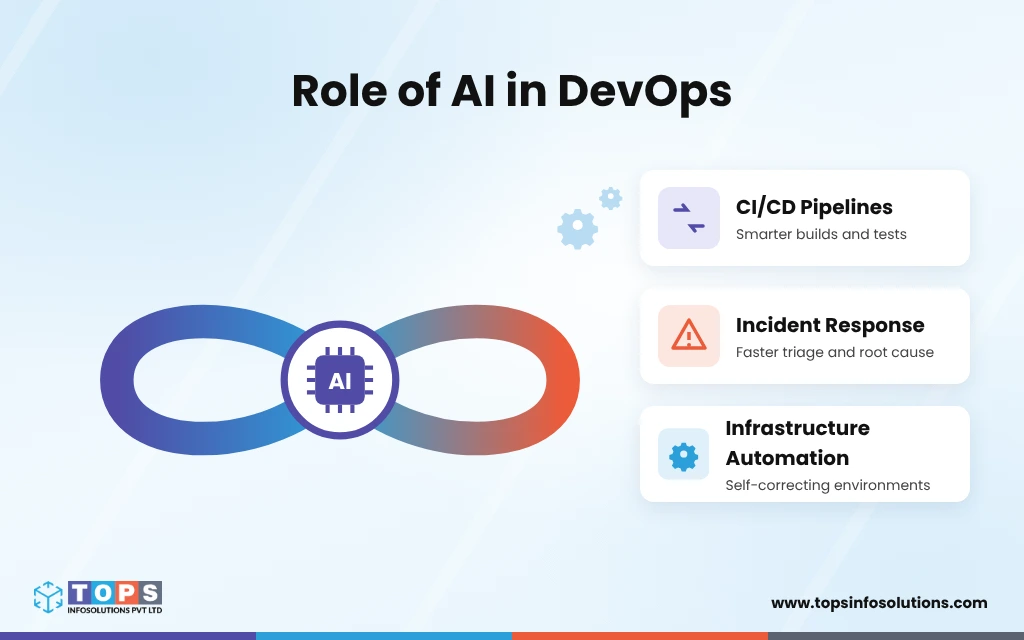
AI in DevOps: What Actually Works for CI/CD, Incident Response, and Infrastructure Automation
TOPS Infosolutions Is Certified in the Claude Partner Network
Get in Touch
Our Offices

Follow us on


Subscribe Us
Get TOPS Infosolutions' latest articles straight to your inbox.


Copyright © 2026 TOPS Infosolutions Pvt Ltd. All Rights Reserved