































MERN Stack Development Company
Build new-age MERN stack solutions through our expertise and the potential of JavaScript technology stacks to empower your business with robust websites, web apps, or mobile apps.
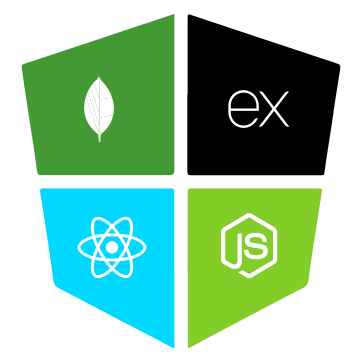




































Our Expertise in MERN Stack Development and Associated Web Technologies

MongoDB

Express

React
Redux
Node
Webpack
TOPS is a Trusted Brand When it Comes to Web Development in MERN Stack
Single Page Application (SPA) Development
In React, we build SPAs that load a single HTML page and dynamically update that page as the user interacts with the app
Custom React Development
At TOPS, we excel in developing React applications according to clients' requirement with custom templates, modules and libraries.
React Web Application Development
React allows us to develop sophisticated web apps for businesses and startup that match the performance of native apps.
Enterprise Development in React
Enterprise wide deployment of web application wasn’t even a word before React came. TOPS offers enterprise development in React as a service.
Real-time Application Development
TOPS develop high-performance applications for fast moving businesses that are looking to engage with their customers in real-time
Custom Widget Development
At TOPS, we can develop reusable user-interface components called widgets using the latest version of React
We Serve Diverse Industry Verticals with Our MERNStack Development Services

A Glimpse of Our Development Expertise in MERN Stack Development
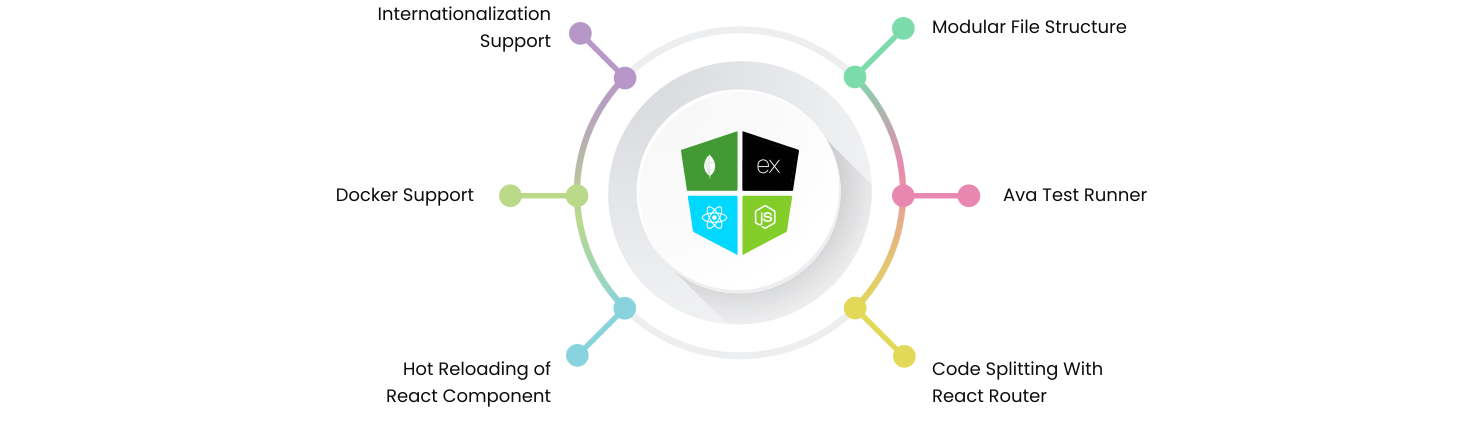
MERN makes Developing Modern Web applications less Complicated
MERN is Answer to Your Full-stack Development Woes
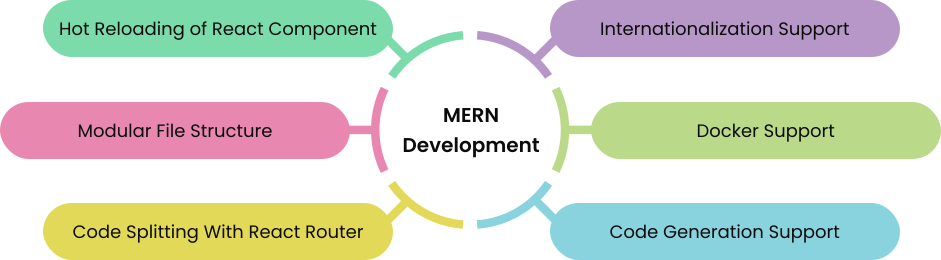
An Overview of React Technology Stack


Frequently Asked QuestionsAbout MERN Stack Development
Is your question not here? No Problem, We're waiting for you with more answers! Do not hesitate to contact us if your inquiry was not included in the list.
No, MERN is a technology stack to build web applications on. MERN is a variant of more popular MEAN stack, which is a long-term replacement for LAMP stack. MERN stack contains React, a frontend JS library, Express.js, a backend development framework, MongoDB, a NoSQL database and Node.js, a runtime environment to execute JavaScript.
If you’re a developer who writes code in PHP and sends queries to a MySQL server, then you’re working in LAMP stack without being aware. LAMP stack stands for Linux, Apache, MySQL, and PHP, which was the standard web development practice until MEAN stack came. MEAN stands for MongoDB, Express.js, Angular.js, and Node.js. MEAN stack brings all the underlying technologies under the purview of JavaScript, which has many benefits including, lower cost, less resource utilization, faster time to market, isomorphic coding, reusability, easy testability, etc.
No, there are many more variants. However, in addition to MERN, MEVN, which replaces Vue.js with React.js in MERN stack, is the most popular.
No, there are many more variants. However, in addition to MERN, MEVN, which replaces Vue.js with React.js in MERN stack, is the most popular.
As I said, LAMP stack was the go-to technology stack before MEAN stack arrived. A major problem with LAMP stack is the lack of full-stack developers as each underlying web technology in LAMP stack is quite different from others unlike MEAN stack where every underlying technology is, more or less, JavaScript. So a single JavaScript developer can handle database, application server, business logic, and the frontend code and term himself a full-stack developer. With so many JavaScript developers around, this term is a getting a vast popularity.
While a web application developed in MERN stack will operate fine in a web browser since a browser can render JavaScript client-side, we recommend our client to go for SSR. The reason is SEO. A major problem is Google crawlers can’t yet render JavaScript. That is the crawler will return a blank page upon crawling a block of JavaScript code. To make React pages comprehensible to Google Crawlers, we need server-side rendering for React.
React is a mere JavaScript library while Angular is a frontend framework. As a result, React is way simpler than Angular. React applications tend to be faster than Angular apps as the former employs virtual DOM rather than actual DOM. Unlike Angular, React separates concerns with loosely coupled units called “components” that contains both logic and markup. React components offer a better set of abstraction to include in UIs than templates in Angular. Also, React has a bigger and richer ecosystem than Angular’s.
React is mere a JavaScript “View” library to build UI components. A developer can extend the core library of React with the use of additional libraries for state management, routing, interaction with an API, etc. For example, they can use Redux for state management, React Router for routing, and Axios for API interaction.
React being a View only JS library may come as a limitation for many but for React developers, this is simplicity at its best because application development in React centers around the React ecosystem, not just the core element, which at the end of the day removes unnecessary complicacies. Technically speaking, developers can expand what core React library can do by means of additional libraries. There are tens of thousands of such libraries are part React Ecosystem and downloadable from npm. There is Redux and Flux for state management, React Router for routing, and Axios to facilitate API interaction, React Material-UI for building UI components in material design, etc.


Latest Insights in AI
View All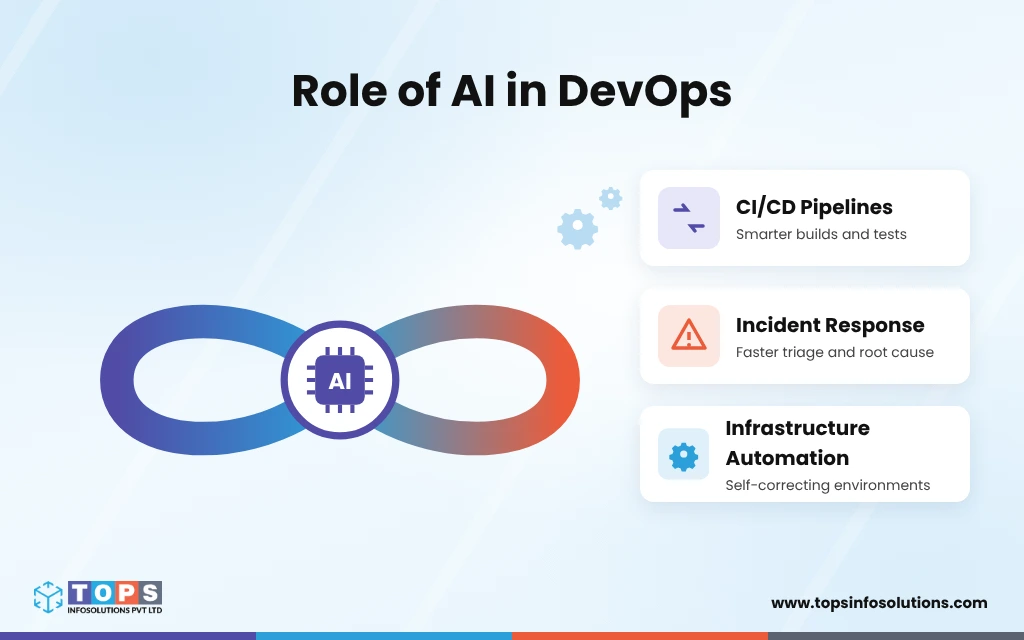
AI in DevOps: What Actually Works for CI/CD, Incident Response, and Infrastructure Automation

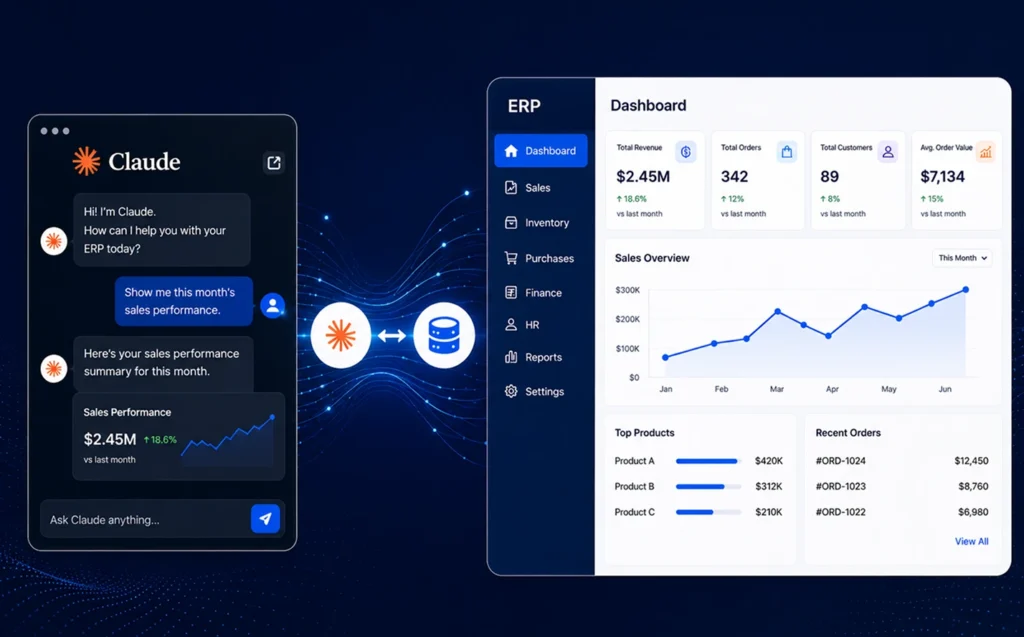
TOPS Infosolutions Is Certified in the Claude Partner Network
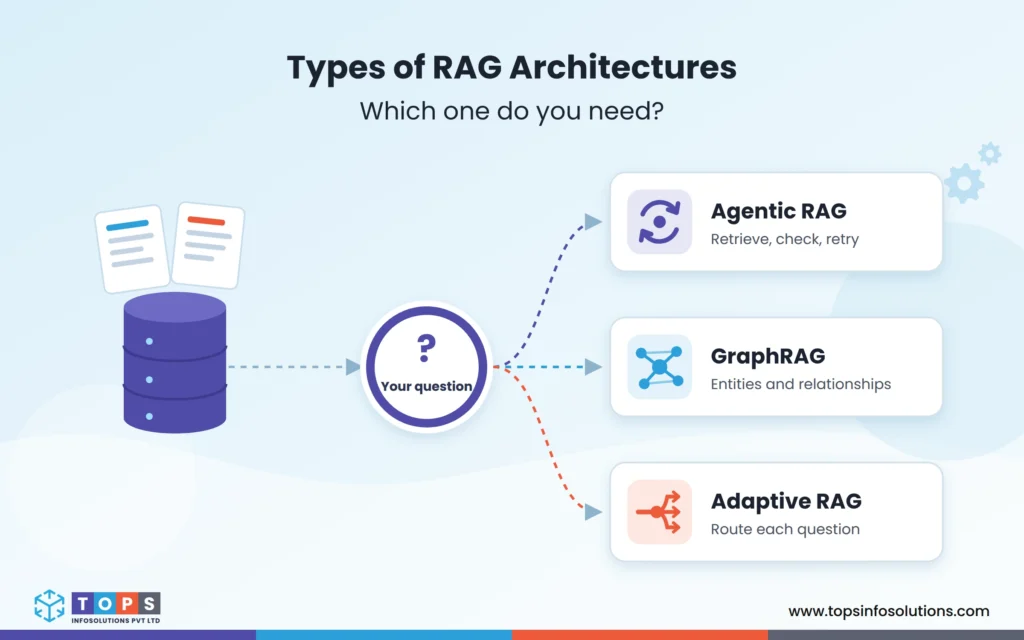
Beyond Basic RAG: Agentic RAG, GraphRAG, and What Actually Improves Answer Quality
Get in Touch
Our Offices

Follow us on


Subscribe Us
Get TOPS Infosolutions' latest articles straight to your inbox.


Copyright © 2026 TOPS Infosolutions Pvt Ltd. All Rights Reserved