
































Product Lifecycle Management (PLM) Software Services
Get PLM implementations that drive faster product development, improve cross-functional alignment, and maintain strong governance across regulated product lifecycles.
Our PLM Development Services Across the Product Lifecycle

Product Ideation and Requirements

Design and Engineering Data Management

Bill of Materials & Product Structures

Change & Configuration Control

Quality & Compliance Management

Product Release & Lifecycle Governance
AI-Driven PLM Solutions
Smarter Product Data Management
We use AI to help organize and clean up large volumes of product data within PLM systems. This includes identifying duplicate parts, classifying components, and improving data consistency across designs and documents. The result is cleaner data that teams can trust and reuse with confidence.
Intelligent Requirements Insights
AI helps analyze historical requirements, designs, and change records to surface patterns that are easy to miss. This supports better requirement clarity, highlights potential design gaps early, and encourages reuse of proven components. Teams spend less time searching and more time building.
Predictive Change Impact Analysis
By learning from past engineering changes, AI can help assess the potential impact of new changes on cost, timelines, and downstream processes. This gives stakeholders clearer visibility before approvals, reducing late-stage disruptions and unexpected rework.
Proactive Quality and Risk Detection
We apply AI to quality data, test results, and issue histories to identify early warning signals. This allows teams to address potential quality or compliance risks sooner, when fixes are simpler and less expensive.
Bring Intelligence into Your PLM Strategy
Move beyond static PLM systems by using AI to improve data quality, change visibility, and decision-making across the product lifecycle.
Core Capabilities Built Into Our PLM Solutions
Our PLM solutions include a robust set of capabilities that support planning, collaboration, control, and scalability across the product lifecycle.

Business Outcomes of Our PLM Services
Single Source of Truth
As all of your product data lives in one trusted system, your teams get consistent access to approved designs and changes. PLM software development services eliminate data silos, reduce confusion, and improve coordination across teams.
Faster Development
With a well-functioning PLM software, you’re looking at clear workflows, structured approvals, and early visibility into issues. Problems are identified sooner, reducing delays and avoiding costly late-stage rework.
Stronger Control Over Changes
As products evolve, PLM provides full visibility into change impact and dependencies. Teams can manage frequent updates without losing control, ensuring product changes remain predictable and well governed.
Built-In Compliance
Traceability across requirements, designs, and changes makes it easier to meet regulatory and quality standards. Documentation stays current and accessible, helping teams remain audit-ready without added administrative effort.
Scalable PLM software development
We build PLM solutions that adapt as product lines, teams, and markets expand. The system supports growth and variation without constant restructuring or performance issues.
Smarter Decisions Powered by AI
With connected lifecycle data and AI-driven insights, teams gain a clearer understanding of risks, quality trends, and change impact. This enables more informed decisions across the product lifecycle.
Technologies that We Use to Build Our PLM Solutions
Our Tech Stack with Expertise in PLM Software Solutions


Delivering AI-driven, industry-focused software solutions
 Real Estate
 FinTech
 Healthcare
 Logistics and Supply Chain
 Streaming
 Retail
 Human Resource
 GIS
GIS
 Wellness & Fitness
 On Demand
Why Choose TOPS for PLM Software Services

Strong code etiquette

Security and compliance focus

Flexible development approach

Reliable delivery and ownership
Frequently Asked Questions
Is your question not here? No Problem, We're waiting for you with more answers! Do not hesitate to contact us if your inquiry was not included in the list.
PLM software helps organizations manage all product-related information and processes from initial concept through design, manufacturing, and end of life. It brings product data, changes, and approvals into one centralized system so teams can work with confidence and consistency. PLM is especially valuable for manufacturers and product-driven companies managing complex designs, frequent changes, multiple teams, or regulatory requirements.
Yes, PLM systems are most effective when they reflect how your teams actually work. We configure workflows, data models, and lifecycle stages to align with your current processes rather than forcing rigid templates.
Implementation timelines vary based on product complexity, number of users, integrations, and data migration needs. Smaller or phased implementations may take a few months, while enterprise-wide rollouts are typically delivered in stages over a longer period.
AI adds intelligence to PLM by reducing manual effort and improving decision support. It helps clean and classify product data, identify reusable designs, predict change impact, and surface quality risks earlier in the lifecycle. These capabilities allow teams to work faster, make better decisions, and manage complexity more proactively.
PLM is well-suited for regulated environments where traceability, documentation, and audit readiness are critical. It connects requirements, designs, changes, and approvals within a single system, making compliance easier to manage.
Yes, PLM is not a one-time project. We support ongoing optimization, enhancements, and performance improvements as your products, teams, and processes evolve. This includes adding new workflows, integrating additional systems, refining data structures, and extending AI capabilities to ensure the PLM system continues to deliver value.
Latest Insights in AI
View All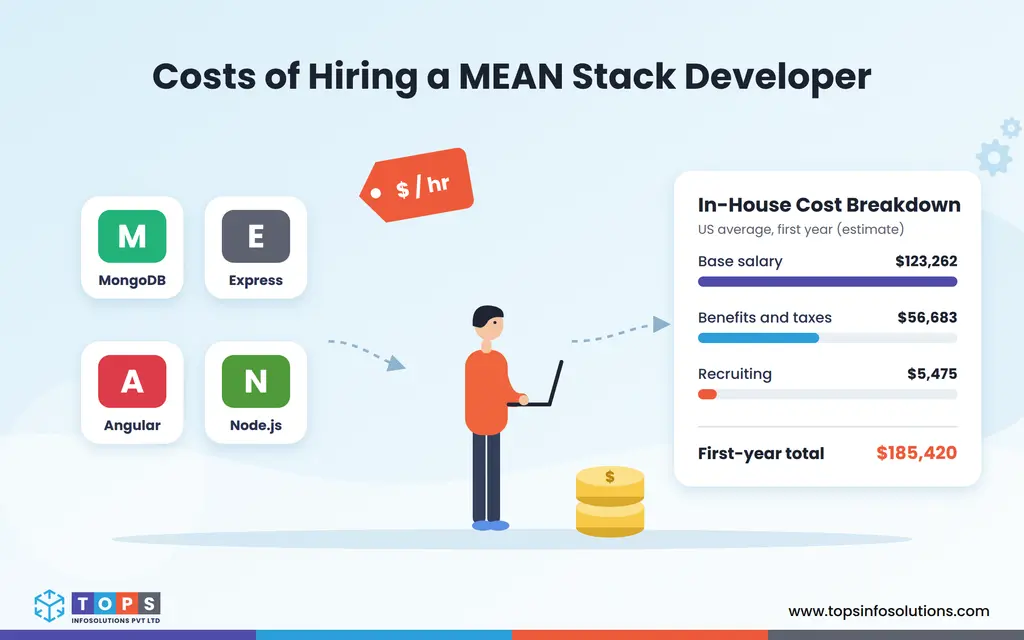
How Much Does It Cost to Hire MEAN Stack Developers in 2027?

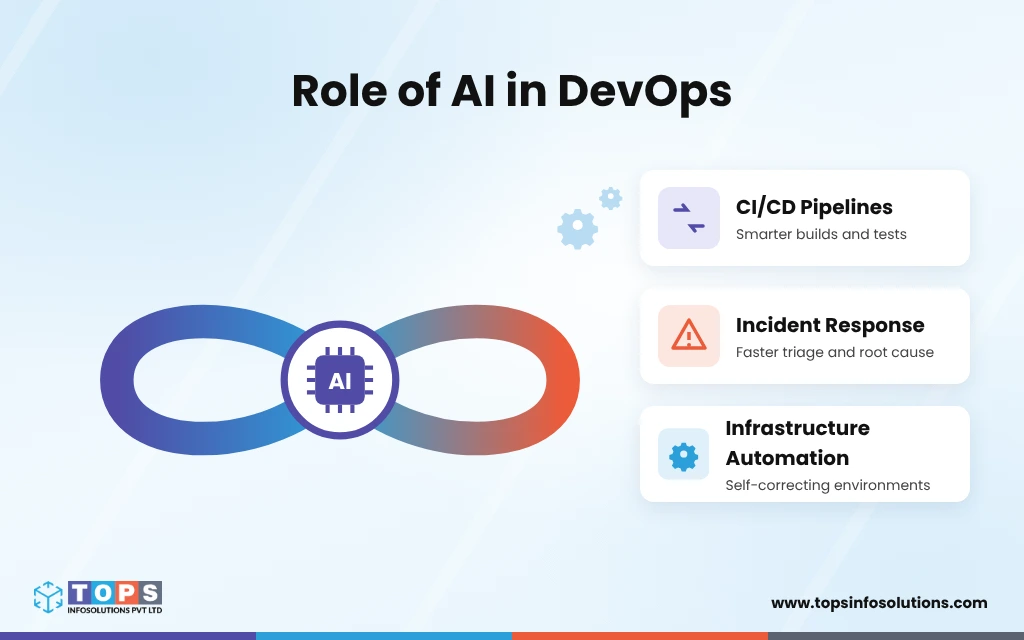
AI in DevOps: What Actually Works for CI/CD, Incident Response, and Infrastructure Automation
TOPS Infosolutions Is Certified in the Claude Partner Network
Get in Touch
Our Offices

Follow us on


Subscribe Us
Get TOPS Infosolutions' latest articles straight to your inbox.


Copyright © 2026 TOPS Infosolutions Pvt Ltd. All Rights Reserved