

































Logistics Solutions
Logistics runs on real-time decisions. TOPS builds custom logistics software that connects your transportation, warehouse, and supply chain operations into one single environment. We transform your logistics with personalized solutions that help you reduce manual coordination and provide greater visibility to act faster.
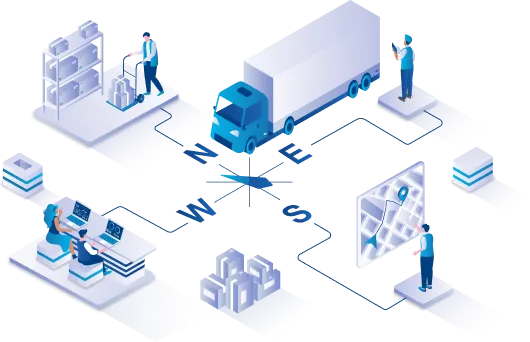




































AI-Powered Logistics Solutions for Smarter Operations Across the Supply Chain
Custom logistics software development solves this by connecting operational data, automating decision triggers, and embedding AI where it creates the most impact. TOPS builds logistics solutions that bring transportation management, warehouse operations, fleet tracking, and supply chain intelligence into a unified environment.
Types of Logistics Software We Develop

Transportation Management System (TMS)

Warehouse Management System (WMS)

Fleet Management Software

Supply Chain Management Software

Last Mile Delivery Management

Logistics Analytics and Reporting Platform
Our Logistics Software Development Services
Technology Consultation
We provide consultation on your existing logistics workflows, system dependencies, and operational pain points. We identify where custom software, AI automation, or system integration can create the most measurable impact on throughput, cost, and visibility across your supply chain.
Custom Logistics Software Development
Logistics software is built specifically for your operational model, whether that is a 3PL managing multi-client freight, a distributor running complex warehouse operations, a fleet operator coordinating long-haul transport, or a retail business managing last-mile delivery across multiple regions.
AI and Logistics Agent Development
AI-powered capabilities built for logistics environments include route optimization models, demand forecasting engines, automated dispatch workflows, predictive maintenance alerts, and agentic AI agents that handle multi-step logistics coordination tasks without requiring manual intervention at each decision point.
System Integration and API Connectivity
Custom logistics platforms are connected to existing ERP, TMS, WMS, GPS, telematics, and carrier API infrastructure. It ensures real-time data flow between transportation, warehouse, and supply chain systems without creating new manual reconciliation requirements or data accuracy gaps.
Logistics Software Modernization
Legacy logistics systems that introduce operational risk are assessed and modernized using a structured migration methodology that preserves data integrity, maintains operational continuity during transition, and delivers a scalable, API-ready architecture capable of supporting future growth and integration requirements.
IoT and Telematics Integration
IoT sensor networks, GPS devices, telematics systems, and RFID infrastructure are connected to logistics platforms to enable real-time asset tracking, cold chain monitoring, vehicle performance data capture, and automated alerts, providing operations teams with accurate, real-time visibility across freight and fleet environments.
Looking for a Reliable Logistics Software Development Partner?
Build AI-powered, custom logistics software designed around the operational complexity, integration requirements, and scale of your supply chain environment.
Our Logistics Software Development Process

Discovery and Operational Workflow Mapping

Solution Architecture and Platform Planning

UI/UX Design for Logistics Operations Teams

Agile Development and Logistics QA

Integration, Tracking, and Data Validation

Deployment and Ongoing Support
Embedding AI Across the Logistics Software We Build

Technology Stack for Logistics Software Solutions


Why Choose TOPS for Logistics Software Development

Logistics Domain Expertise

AI-First Approach to Logistics Operations

End-to-End Supply Chain Software Development

Logistics Software Modernization Capability
Frequently Asked Questions
Is your question not here? No Problem, We're waiting for you with more answers! Do not hesitate to contact us if your inquiry was not included in the list.
TOPS develops transportation management systems, warehouse management systems, fleet management platforms, supply chain management software, last-mile delivery management tools, logistics analytics dashboards, and IoT-integrated asset tracking solutions. Every platform is built specifically for the operational model, integration requirements, and scale of the client’s logistics environment.
Logistics software modernization is the process of replacing or rebuilding legacy logistics platforms that limit real-time visibility, restrict integration with modern carrier and ERP systems, or cannot scale to match operational growth. Businesses typically need modernization when manual workarounds are required to bridge system gaps, when data accuracy issues affect operational decisions, or when platform limitations are blocking adoption of AI and automation capabilities.
AI applied to logistics improves route efficiency by optimizing delivery sequences in real time, reduces inventory carrying costs through accurate demand forecasting, automates multi-step dispatch and carrier coordination workflows through agentic AI, and surfaces operational anomalies before they escalate into delivery failures or compliance issues. The measurable impact varies by operational context but typically shows up in reduced fuel spend, improved on-time rates, and lower manual coordination overhead.
Logistics AI agents are autonomous software systems that handle multi-step operational tasks without requiring manual intervention at each decision point. In a logistics context, an agent might monitor incoming shipment data, select an optimal carrier based on predefined criteria, submit the booking, track status updates, escalate exceptions that meet specific thresholds, and confirm delivery, all within a defined operational workflow and without staff involvement in each step.
Yes. Custom logistics platforms are connected to existing ERP systems, TMS platforms, carrier APIs, GPS and telematics infrastructure, and third-party supply chain tools using REST APIs, EDI standards, and system-specific integration frameworks. Every integration is tested for data accuracy and real-time reliability before go-live to ensure operational continuity across connected systems.
Timeline depends on platform complexity, the number of system integrations, IoT and telematics requirements, and the depth of AI capabilities included. A focused logistics platform with core TMS or WMS functionality and standard integrations typically takes a few months from discovery to go-live. Larger platforms spanning multiple operational functions with AI automation and multi-system integration are scoped precisely during the discovery and architecture phase.
Yes. Post-launch support covers performance monitoring, carrier and integration updates, compliance changes related to freight and fleet regulations, issue resolution, and feature enhancements aligned to evolving operational requirements. The support model is structured as a long-term engagement designed to keep your logistics platform current as your operations and integration landscape changes.


Latest Insights in AI
View all Blogs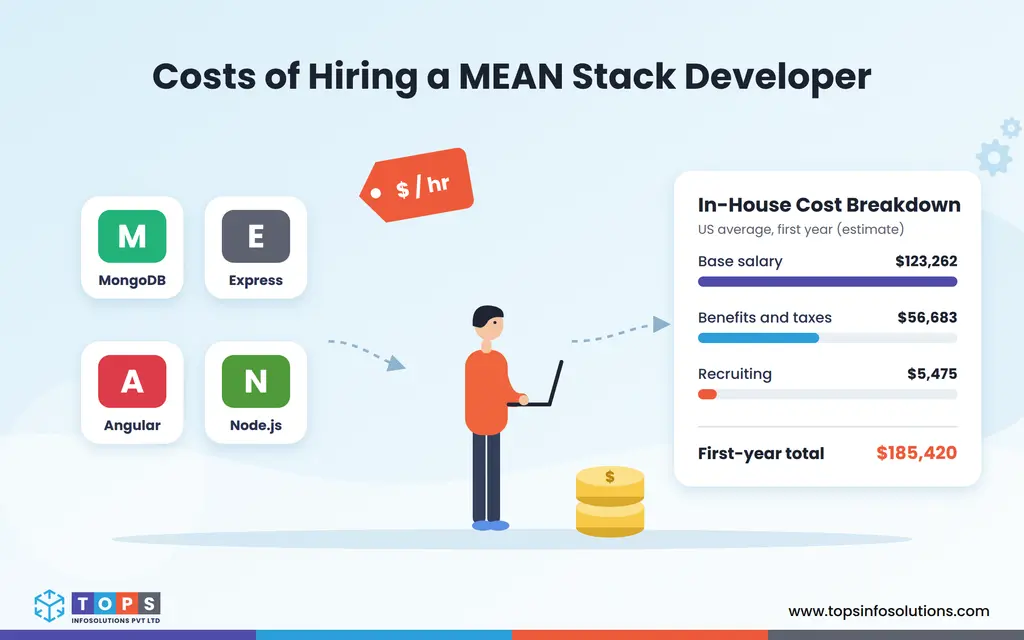
How Much Does It Cost to Hire MEAN Stack Developers in 2027?
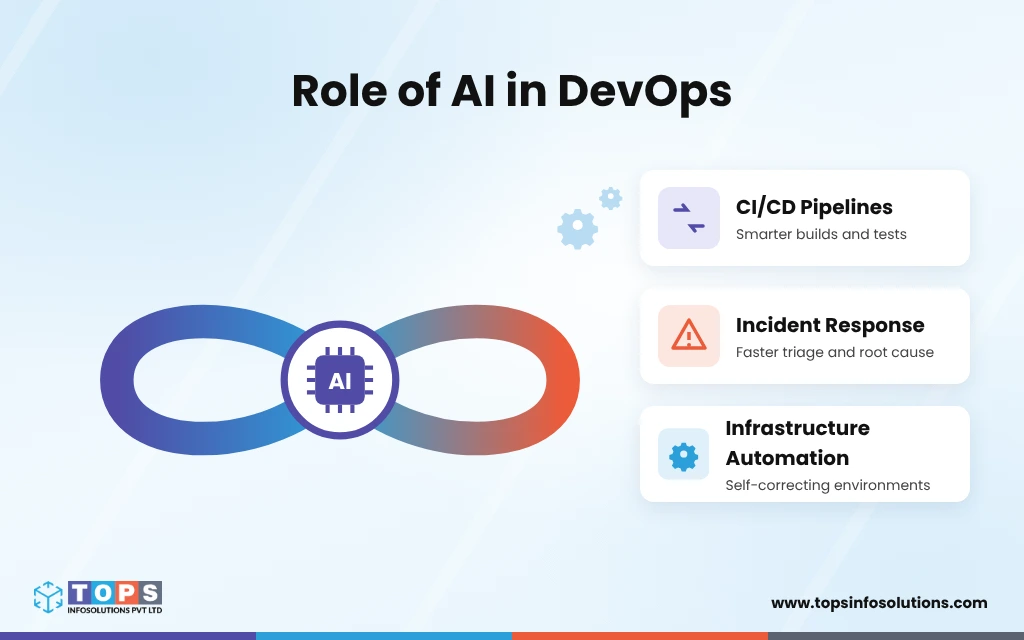
AI in DevOps: What Actually Works for CI/CD, Incident Response, and Infrastructure Automation
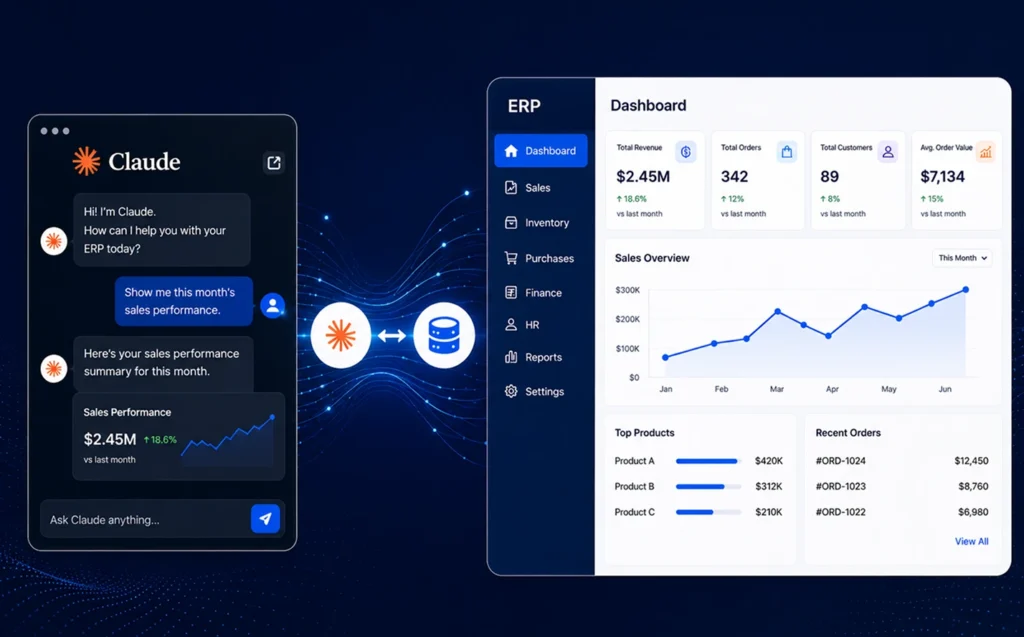
TOPS Infosolutions Is Certified in the Claude Partner Network
Get in Touch
Our Offices

Follow us on


Subscribe Us
Get TOPS Infosolutions' latest articles straight to your inbox.


Copyright © 2026 TOPS Infosolutions Pvt Ltd. All Rights Reserved