
































Retail Solutions
Modern retail does not happen in one place. TOPS builds custom retail software that connects your stores, warehouses, and customer touchpoints into one operational environment so your teams can serve customers consistently across every channel.
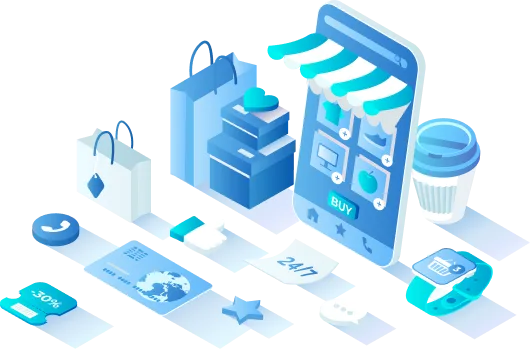




































AI-Powered Retail Software Built for Omnichannel and In-Store Operations
Custom retail software development connects the operational layers that drive a retail business. TOPS builds platforms that unify point of sale, inventory management, customer data, and supply chain operations into a single environment. Whether you operate a network of physical stores, a hybrid retail model, or a fully omnichannel business, the software is built around your store formats, your customer journeys, and the operational complexity your teams manage every day.
Types of Retail Software We Develop

Point of Sale (POS) System

Omnichannel Retail Platform

Retail Inventory Management System

Retail ERP

Customer Loyalty and Engagement Platform

Retail Analytics and Reporting Platform
Our Retail Software Development Services
Technology Consultation
We provide an assessment of your current retail technology environment. How are your stores, warehouses, and customer systems connected today? Where are the gaps creating friction for staff or inconsistency for customers? Existing systems, integration dependencies, and growth plans are all mapped before any recommendations are made.
Custom Retail Software Development
Retail software built specifically for your business model. Whether you operate a single format or a complex multi-banner retail network, the development starts with your store operations, your customer journey, and the workflows your teams use every day. Nothing is retrofitted from a generic template.
Omnichannel Integration
Physical stores, online channels, mobile apps, and third-party marketplaces connected into a unified retail environment. Inventory, pricing, promotions, and customer data stay consistent across every channel. When a customer returns an online purchase in-store or checks stock availability on their phone before visiting, the system handles it without manual intervention.
POS and In-Store System Integration
Custom POS platforms connected to your inventory management, loyalty programme, ERP, and payment infrastructure. Every in-store transaction updates the right systems in real time. Staff get accurate stock information, customer purchase history, and loyalty balances at the point of sale without switching between systems.
AI and Retail Intelligence Development
AI capabilities built for retail include demand forecasting models, personalised promotion engines, customer segmentation tools, planogram optimisation, and automated replenishment workflows. Built around your product catalogue, your store data, and your customer behaviour, not generic models applied without context.
Legacy System Modernisation
Outdated retail systems create compounding operational risk. Legacy POS platforms, disconnected inventory tools, and ageing ERP systems are assessed and modernised using a structured migration methodology that preserves data integrity and maintains operational continuity across your store network during transition.
Ready to Connect Your Retail Operations?
Whether you run one store or one hundred, we build retail software that gives your teams accurate data and your customers a consistent experience across every channel.
Our Retail Software Development Process

Discovery and Store Operations Mapping

Platform Strategy and Architecture

UI/UX Design for Store and Back Office Users

Agile Development and Retail QA

Integration and Data Validation

Deployment and Ongoing Support
Embedding AI Across the Retail Software We Build

Technology Stack for Retail Software Solutions


Why Choose TOPS for Retail Software Development

We Understand Retail at the Operational Level

Omnichannel Without the Complexity

AI Built Around Your Store and Customer Data

We Stay Involved as Your Retail Business Grows
Frequently Asked Questions
Is your question not here? No Problem, We're waiting for you with more answers! Do not hesitate to contact us if your inquiry was not included in the list.
TOPS develops custom POS systems, omnichannel retail platforms, retail inventory management systems, retail ERP solutions, customer loyalty and engagement platforms, and retail analytics dashboards. Every platform is built around the specific store format, operational model, and integration requirements of the retail business it serves.
An eCommerce platform manages online transactions and digital storefronts. Omnichannel retail software connects physical stores, online channels, mobile apps, and third-party marketplaces into a unified operational environment where inventory, pricing, customer data, and fulfilment are managed consistently across every channel. It is built for retailers who operate in both physical and digital spaces simultaneously.
Yes. Custom retail platforms are connected to existing POS hardware, ERP systems, loyalty platforms, payment processors, and inventory tools using REST APIs and system-specific integration frameworks. Every integration is tested for data accuracy, transaction reliability, and performance under peak retail trading conditions before go-live.
AI applied to retail improves demand forecasting accuracy so buying teams make better replenishment decisions, enables personalised promotions and loyalty offers based on individual customer purchase history, surfaces operational insights across store networks, and automates inventory replenishment workflows that currently require manual monitoring and intervention.
Yes. Multi-location retail environments are a core part of what we build. Inventory management, POS, reporting, and customer data are all architected to work accurately across as many locations as your network includes, with centralised visibility for head office teams and the right level of local control for store managers.
Timeline depends on platform complexity, number of store locations, integration requirements, and AI capability scope. A focused retail platform with core POS and inventory functionality typically takes a few months from discovery to go-live. Larger omnichannel platforms with multi-system integration, loyalty programmes, and AI features are scoped precisely during the discovery and architecture phase.
Yes. Post-launch support covers performance monitoring, integration updates, new store rollouts, regulatory and payment compliance changes, and feature development aligned to your retail growth plans. The engagement is structured for the long term so the platform keeps pace with your business as it scales.
Latest Insights in AI
View all Blogs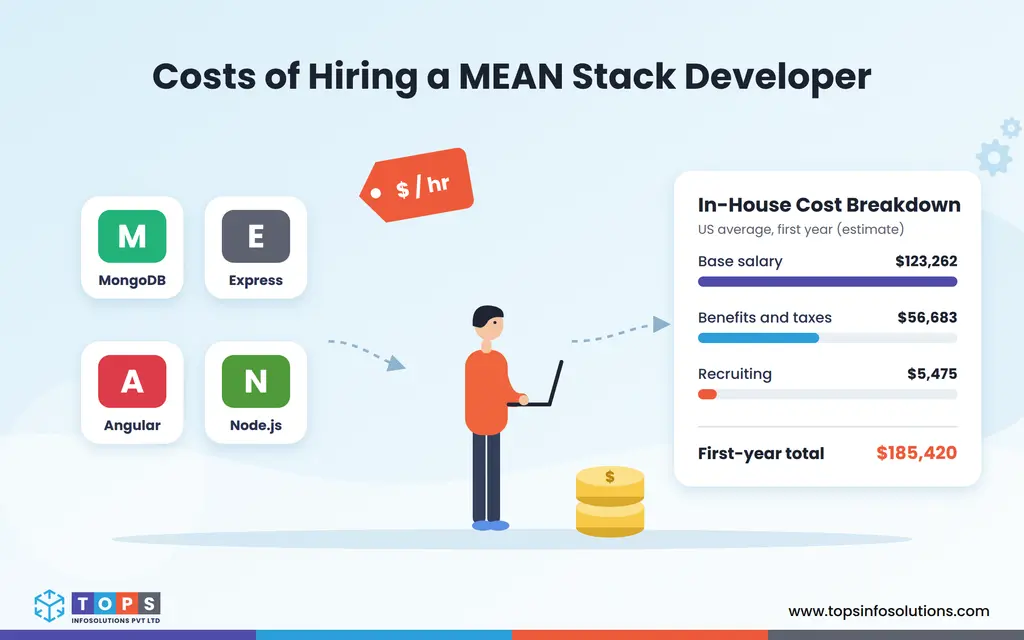
How Much Does It Cost to Hire MEAN Stack Developers in 2027?

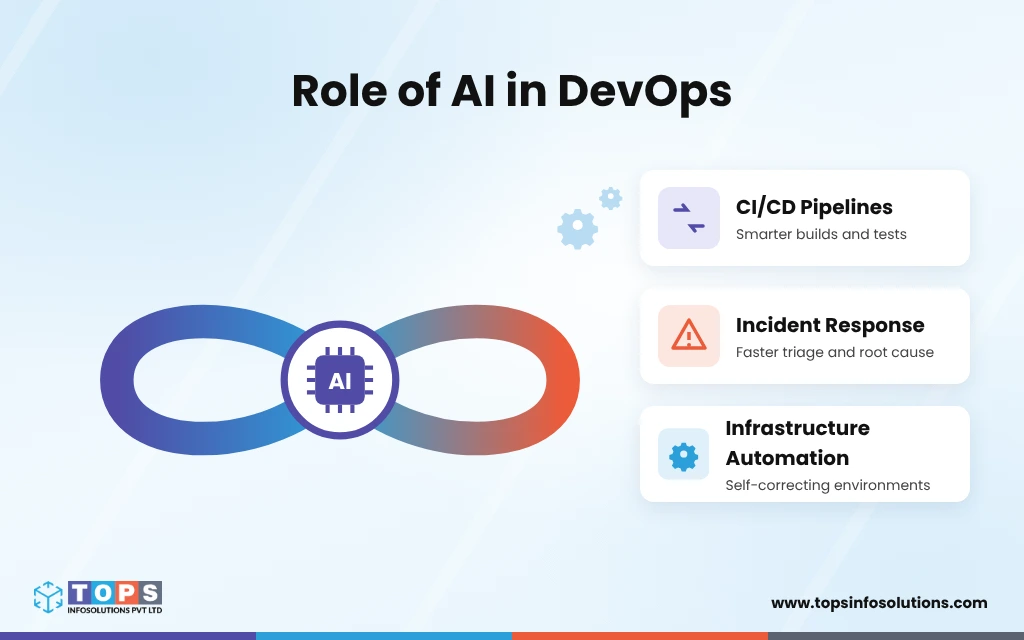
AI in DevOps: What Actually Works for CI/CD, Incident Response, and Infrastructure Automation

TOPS Infosolutions Is Certified in the Claude Partner Network
Get in Touch
Our Offices

Follow us on


Subscribe Us
Get TOPS Infosolutions' latest articles straight to your inbox.


Copyright © 2026 TOPS Infosolutions Pvt Ltd. All Rights Reserved