






















Human Resource Solutions
TOPS builds custom HR software that automates the administrative burden across the employee lifecycle, from recruitment and onboarding to payroll, performance management, and workforce planning, so your HR team can focus on the work that actually requires human judgment.
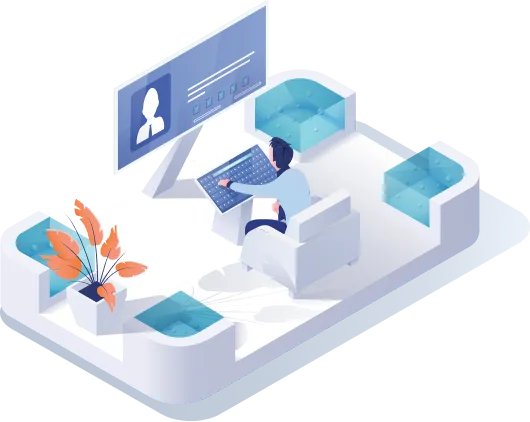
AI-Powered HR Software Built for the Modern Workforce
Custom HR software development addresses this at the root. TOPS builds human resource management platforms that automate the repetitive, connect the disconnected, and give HR leaders the data they need to make better decisions about their workforce. From applicant tracking systems and onboarding portals to AI-powered performance tools and workforce analytics dashboards, every solution is built around your HR workflows, your organisational structure, and the employee experience you want to deliver.
Types of HR Software We Develop

Human Resource Management System (HRMS)

Resource Management Software

Applicant Tracking and Recruitment Platform

Employee Onboarding System

Remote Workforce Monitoring Software

Payroll and Time Management System
Our HR Software Development Services
Technology Consultation
We do an assessment of your current HR technology environment. Which processes are creating the most manual overhead? Where is data accuracy creating compliance risk? What does your HR team need to do that your current tools will not support? Existing systems, integration dependencies, and growth plans are mapped before any build decisions are made.
Custom HRMS Development
Human resource management software built specifically for your organisational structure, whether you are a mid-market business managing a single-site workforce, a multi-entity organisation with complex approval hierarchies, or a fast-growing company that needs HR infrastructure built to scale with its headcount.
AI and HR Automation Development
AI capabilities built for HR environments include intelligent candidate screening, automated onboarding workflow triggers, AI-assisted performance review generation, predictive attrition modelling, and agentic HR automation that handles repetitive administrative tasks without manual intervention at each step.
Employee Self-Service Portal Development
Self-service portals that give employees direct access to their payslips, leave balances, benefits information, performance feedback, and HR requests without routing everything through HR staff. Reduces inbound HR query volume and gives employees a better experience across all HR touchpoints.
HR System Integration
Custom HR platforms connected to existing payroll providers, ERP systems, accounting tools, identity management platforms, Active Directory, and third-party recruitment tools using clean API integrations. Ensures employee data flows accurately between systems without manual reconciliation or duplicate data entry requirements.
Legacy HR System Modernisation
Outdated HRMS platforms, disconnected payroll tools, and legacy time tracking systems are assessed and modernised using a structured migration methodology. Existing employee records, payroll history, and compliance documentation are preserved throughout the transition to a modern, integrated HR architecture.
Ready to Build HR Software That Works for Your Team?
Whether you are replacing a legacy HRMS or building HR infrastructure for the first time, we build human resource software around your workforce model and your operational reality.
Our HR Software Development Process

Discovery and HR Workflow Mapping

Platform Strategy and Architecture

UI/UX Design for HR and Employee Users

Agile Development and HR QA

Integration and Data Migration

Deployment and Ongoing Support
Embedding AI Across the HR Software We Build
Technology Stack for HR Software Solutions




Why Choose TOPS for HR Software Development

We Build Around Your Workforce Model

AI That Reflects Your HR Data

End-to-End HR Software Capability

We Stay Involved as Your Workforce Grows
Frequently Asked Questions
Is your question not here? No Problem, We're waiting for you with more answers! Do not hesitate to contact us if your inquiry was not included in the list.
TOPS develops HRMS platforms, applicant tracking and recruitment systems, employee onboarding portals, performance management software, payroll and time management systems, and learning and development platforms. Every solution is built around the specific workforce model, compliance requirements, and integration landscape of the organisation it serves.
An HRIS (Human Resource Information System) focuses on storing and managing employee data. An HRMS (Human Resource Management System) extends this with process automation across payroll, benefits, and compliance workflows. HCM (Human Capital Management) is the broadest category, adding talent management, workforce planning, and learning and development. Custom HR software is typically designed to cover whichever combination of these layers your organisation actually needs rather than forcing you to pay for functionality you will never use.
AI applied to HR improves candidate screening by ranking applicants against defined criteria at scale, identifies attrition risk by analysing engagement and performance patterns before employees disengage, automates multi-step HR administrative workflows through agentic AI, and surfaces personalised development recommendations for employees based on their performance data and skills gaps.
Yes. Custom HR platforms are connected to existing payroll providers, ERP systems, accounting tools, Active Directory, Microsoft 365, and third-party HR tools using REST APIs and system-specific integration frameworks. Every integration is tested for data accuracy before go-live to ensure employee records and payroll data stay consistent across all connected systems.
HR data privacy and compliance requirements are designed into the platform architecture from the start of every engagement. This includes GDPR-compliant data handling, role-based access control that limits employee data visibility to authorised users, audit trail logging for all data access and modification events, and compliance with applicable employment regulations including EEO, FLSA, and FMLA depending on the operating geography.
Yes. Employee self-service portals are a standard component of custom HRMS builds, giving employees direct access to payslips, leave requests, benefits information, performance feedback, and HR queries without routing everything through HR staff. This reduces inbound HR query volume and improves the employee experience across all HR touchpoints.
Timeline depends on the scope of the platform, the number of HR modules included, integration requirements, and AI capability scope. A focused HR platform covering core HRMS functionality with standard integrations typically takes a few months from discovery to go-live. Larger platforms spanning the full employee lifecycle with payroll integration, performance management, L&D, and AI-powered workforce analytics are scoped precisely during the discovery and architecture phase.
Yes. Post-launch support covers performance monitoring, compliance and regulatory updates, integration changes, and feature development aligned to your evolving HR requirements and workforce growth. The engagement is structured for the long term so the platform stays current with your organisational structure and compliance environment as they change.
Latest Insights in AI
View all Blogs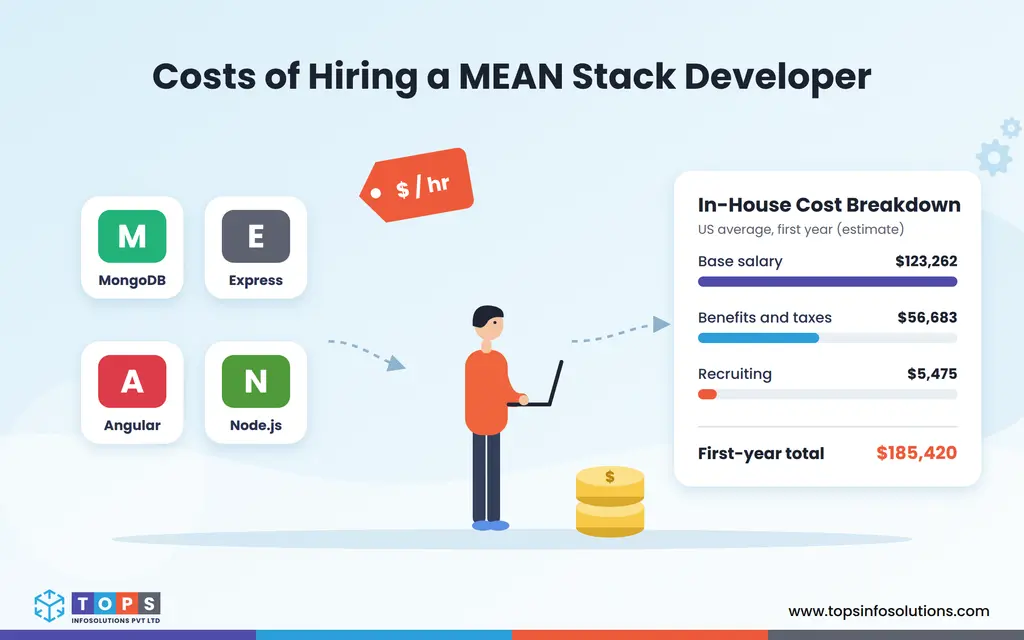
How Much Does It Cost to Hire MEAN Stack Developers in 2027?

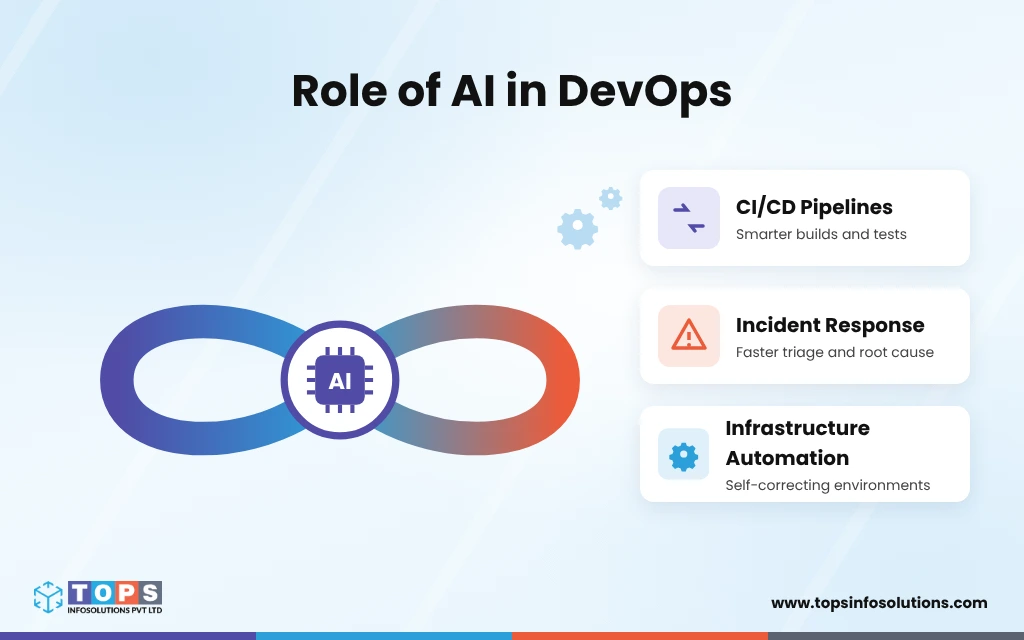
AI in DevOps: What Actually Works for CI/CD, Incident Response, and Infrastructure Automation
TOPS Infosolutions Is Certified in the Claude Partner Network
Get in Touch
Our Offices

Follow us on


Subscribe Us
Get TOPS Infosolutions' latest articles straight to your inbox.


Copyright © 2026 TOPS Infosolutions Pvt Ltd. All Rights Reserved