

































FinTech Solutions
Building custom fintech solutions that are secure by design and compliant from day one. We empower businesses with innovative financial software built for the operational complexity that lenders, payment platforms, and financial-services companies face every day.
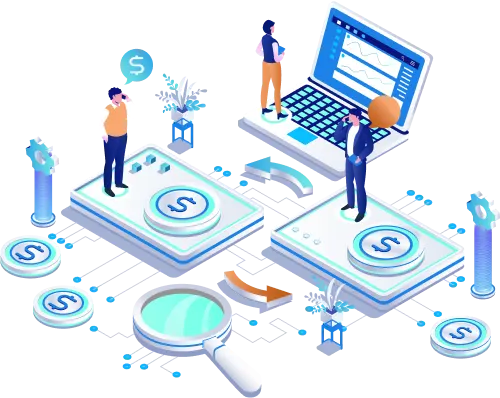
AI-Powered FinTech Software Built for Accuracy & Compliance
TOPS builds fintech software development solutions that address this directly. We’ve worked with companies to automate their lending lifecycle, enable AI-powered fraud detection, and integrate payment processing systems with built-in compliance controls. Every system is built around the specific regulatory requirements and operational realities of the financial environments it serves.
Types of FinTech Software We Develop

Loan Management Software

Payment Processing Platform

Banking and Finance Software

Fraud Detection and Risk Management System

Wealth and Investment Management Platform

FinTech Analytics Dashboard
Our FinTech Software Development Services
Technology Consultation
We map existing financial workflows, identify compliance gaps and manual bottlenecks, and define where AI, automation, and custom software can create the most immediate and measurable impact for your specific fintech environment.
Custom FinTech Software Development
Fintech software is built specifically for your business model, whether that is a lending platform for independent lenders, a payment processing system for merchants, a digital banking product, or a SaaS fintech platform serving multiple financial institutions across different markets.
AI and Automation Integration
AI capabilities purpose-built for financial operations include fraud detection models, automated credit assessment workflows, intelligent document processing for loan origination, and agentic automation for payment management, reconciliation, and compliance monitoring across high-volume transaction environments.
Third-Party and API Integration
Custom fintech platforms are connected to the financial infrastructure your business depends on, including payment processors, credit bureaus, banking APIs, CRM systems, and compliance verification tools, ensuring accurate and real-time data flow without manual reconciliation requirements.
Legacy System Modernization
Outdated financial software creates compounding operational risk. Legacy platforms are assessed, modernized, and migrated to scalable, compliant architecture using a structured methodology that preserves data integrity and minimizes disruption to live financial operations during transition.
Compliance and Security Architecture
PCI DSS, SOC 2, GDPR, and applicable regional financial regulations are designed into the solution from the architecture stage, covering data encryption, role-based access control, audit logging, and return rule logic for payment systems, so compliance is a structural property of the platform rather than a layer added after build.
Looking for a Reliable FinTech Development Partner?
Build secure, compliant, and scalable fintech software tailored to the operational and regulatory demands of your financial environment.
Our FinTech Software Development Process

Discovery and Financial Workflow Mapping

Solution Architecture and Compliance Planning

UI/UX Design for Financial Users

Agile Development and Financial QA

Integration and Data Validation

Deployment and Ongoing Support
Embedding AI Across the FinTech Software We Build

Technology Stack for Fintech Software Solutions


Why Choose TOPS for FinTech Software Development

FinTech Domain Expertise

Proven Outcomes in Lending and Payments

AI-First Approach to Financial Operations

Compliance Built Into the Architecture
Frequently Asked Questions
Is your question not here? No Problem, We're waiting for you with more answers! Do not hesitate to contact us if your inquiry was not included in the list.
TOPS develops loan management platforms, payment processing systems, fraud detection tools, digital banking software, wealth management platforms, and fintech analytics dashboards. Every solution is built specifically for the workflows, compliance requirements, and integration landscape of the client’s financial environment.
Compliance is designed into the solution architecture from the start of every engagement. This includes defining data classification, access control hierarchies, and audit logging requirements during discovery, implementing PCI DSS and SOC 2-aligned security controls during development, and validating all compliance mechanisms during QA before any production deployment.
Yes. Custom fintech platforms connect to existing payment processors, banking infrastructure, credit bureaus, and third-party financial tools via REST APIs, Open Banking standards, and processor-specific integration frameworks. Every integration is tested for data accuracy and transaction reliability before going live.
AI applied to loan management automates credit assessment, document verification, and compliance checks, reducing manual underwriting effort and origination errors. In payment operations, AI monitors transaction patterns to detect fraud in real time and automates the follow-up workflows triggered by payment failures, significantly reducing the manual intervention required per transaction.
Timeline depends on the complexity of the platform, the number of payment and banking integrations required, and the depth of AI and automation capabilities included. A focused fintech application with standard integrations typically takes a few months from discovery to go-live. Larger platforms with multi-processor integration, AI components, and multi-role user environments are scoped precisely during the discovery and architecture phase.
Yes. Post-launch support covers performance monitoring, regulatory update implementation, issue resolution, and feature development as your product and compliance requirements evolve. The support model is designed as a long-term engagement, not a handoff at deployment.
Latest Insights in AI
View All
TOPS Infosolutions Is Certified in the Claude Partner Network

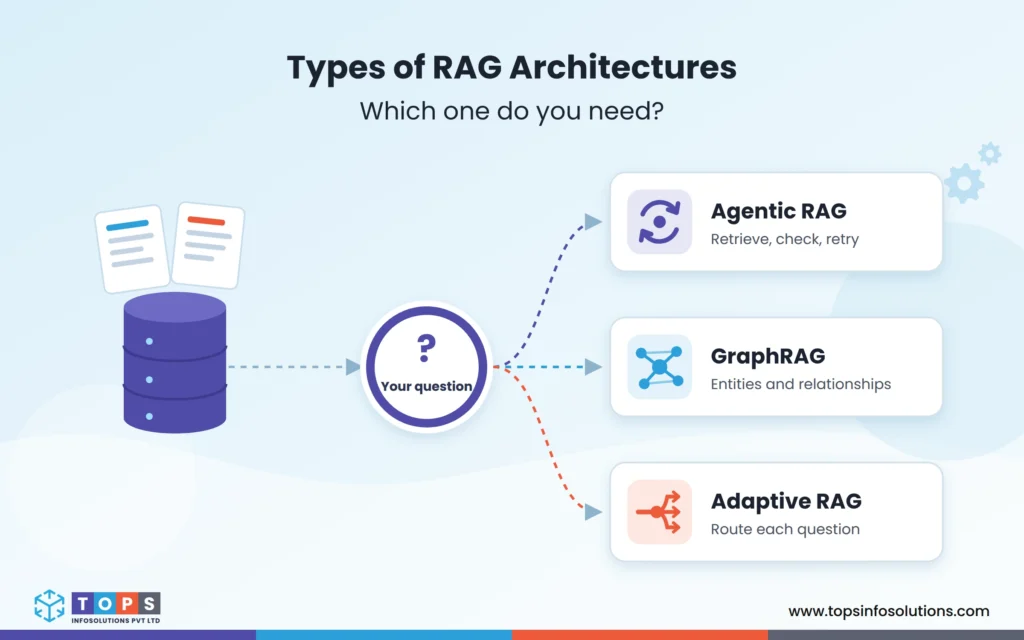
Beyond Basic RAG: Agentic RAG, GraphRAG, and What Actually Improves Answer Quality
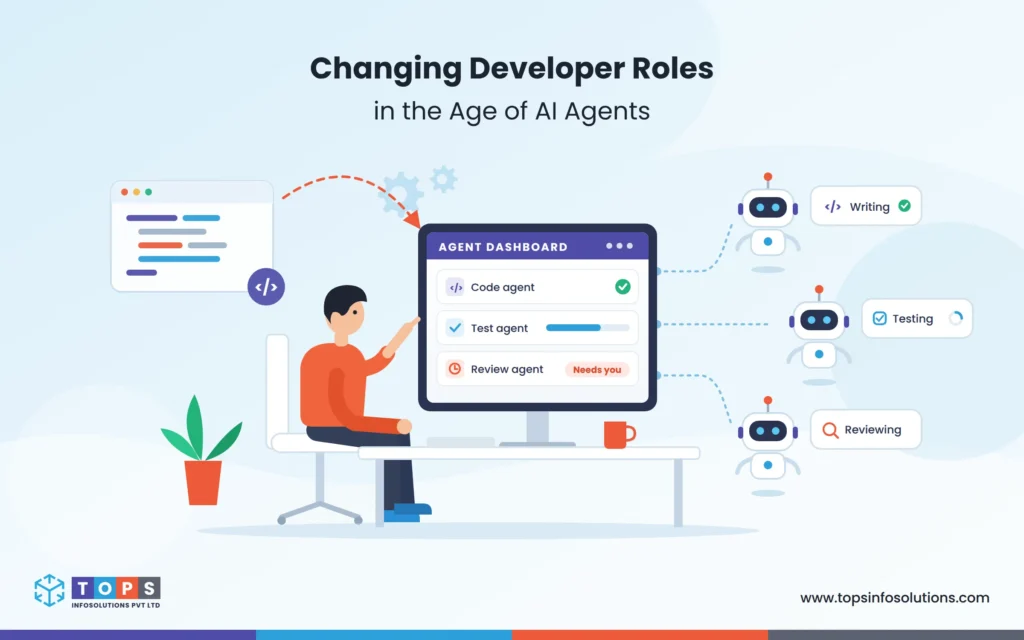
From Writing Code to Supervising Agents: How the Developer’s Job Is Changing in 2027
Get in Touch
Our Offices

Follow us on


Subscribe Us
Get TOPS Infosolutions' latest articles straight to your inbox.


Copyright © 2026 TOPS Infosolutions Pvt Ltd. All Rights Reserved