


























EdTech Solutions
Helping educational institutions, EdTech platforms, and corporate training teams deliver learning experiences that are personalized, engaging, and built around how people actually learn. Be it university students, corporate employees, or online subscribers, we build the right technology that makes education innovative and digital.
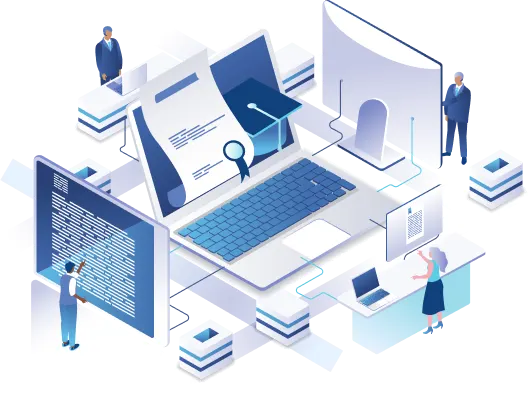




































AI-Powered EdTech Solutions Built for Modern Learning Environments
TOPS builds EdTech platforms that combine adaptive learning, AI-powered content delivery, immersive experiences, and robust assessment tools into cohesive products. Whether you are an EdTech startup building your first platform, a university modernising outdated systems, or a corporate training team that has outgrown your current LMS, the build starts with your learners and works backwards from there.
Types of Education Software We Develop

Learning Management System

eLearning Platform

Online Tutor and Student Management Platform

Online Assessment and Exam Management

Corporate Learning and Development Platform

School Management Platform
Our Education Software Development Services
Technology Consultation
We provide consultation after assessing your platform, your learner journey, and the gaps between them. Content structure, integration requirements, user role complexity, and scalability needs are all mapped before any build decisions are made. The output is a prioritised roadmap built around what your learners and administrators actually need.
Custom EdTech Platform Development
Platforms built specifically for your education or training model. You can be an EdTech startup launching a new product, a university replacing a legacy system, or a corporate L&D team building internal training infrastructure. The development starts with your learner workflows and works outward from there.
AI and Adaptive Learning Development
AI-powered capabilities built for education include personalized learning path generation, adaptive content delivery based on learner performance, intelligent assessment design, AI tutoring assistants, and automated feedback tools. Built around your content and your learner data, not off-the-shelf plugins applied without context.
LMS and System Integration
Custom EdTech platforms connected to the tools your institution or organization already depends on. HRIS systems, video conferencing platforms, content libraries, payment gateways, single sign-on providers, and analytics tools are all integrated with clean API connections that eliminate manual data management between systems.
Platform Modernisation and Migration
Outdated LMS platforms and legacy education systems create friction for learners and administrators alike. Existing platforms are assessed and modernised with structured migration planning that preserves course content, learner records, and assessment history while delivering a scalable, modern architecture your teams can actually build on.
Ready to Build a Better Learning Platform?
Whether you are launching a new EdTech product or replacing a system your learners have outgrown, we build education software around real learning outcomes.
Our Education Software Development Process

Discovery and Learner Journey Mapping

Platform Strategy and Architecture

UI/UX Design for Learners and Administrators

Agile Development and EdTech QA

Integration and Content Validation

Launch and Ongoing Support
Embedding AI Across the Education Software We Build
Technology Stack for Education Software Solutions


Why Choose TOPS for Education Software Development

We Understand How Learning Actually Works

AI That Adapts to Your Learners

Built for Scale From the Start

We Stay Involved as Your Platform Grows
Frequently Asked Questions
Is your question not here? No Problem, We're waiting for you with more answers! Do not hesitate to contact us if your inquiry was not included in the list.
TOPS develops custom LMS platforms, eLearning portals, online tutor and student management systems, exam and assessment platforms, corporate L&D platforms, and childcare and school management systems. Every platform is built around the specific learner profile, content model, and operational requirements of the institution or organization it serves.
AI applied to education improves outcomes by personalizing the learning path for each learner based on their performance data, providing on-demand tutoring and concept explanation without instructor involvement, generating adaptive assessments that reflect individual progress, and surfacing analytics that help instructors identify where learners are struggling before they fall behind.
Yes. Custom EdTech platforms are connected to HRIS systems, single sign-on providers, content libraries, video conferencing tools, and analytics platforms using LTI, SCORM, xAPI, and REST API frameworks. Every integration is tested for data accuracy and reliability before go-live to ensure learner records and content delivery work correctly across all connected systems.
Yes. Every EdTech platform is built with mobile learners in mind, whether that means a responsive web platform, a native iOS and Android application, or a cross-platform mobile app. Mobile learning flows, offline content access, and push notification support are designed into the platform from the start, not added as an afterthought.
Yes. Existing platforms are assessed for technical debt, scalability limitations, and learner experience gaps. A structured modernisation and migration plan is developed that preserves course content, learner records, and assessment data while delivering a modern, scalable architecture your teams can build on without starting from scratch.
Timeline depends on the complexity of the platform, content volume, integration requirements, and whether adaptive learning or immersive capabilities are included. A focused LMS or eLearning platform with standard integrations typically takes a few months from discovery to go-live. Larger platforms with enterprise integrations and AI features are scoped precisely during the discovery and architecture phase.
Yes. Post-launch support covers performance monitoring, content and feature updates, integration changes, accessibility compliance, and platform scaling as your learner base grows. The engagement is structured for the long term so your platform keeps pace with your institution or organization as it evolves.

Latest Insights in AI
View all Blogs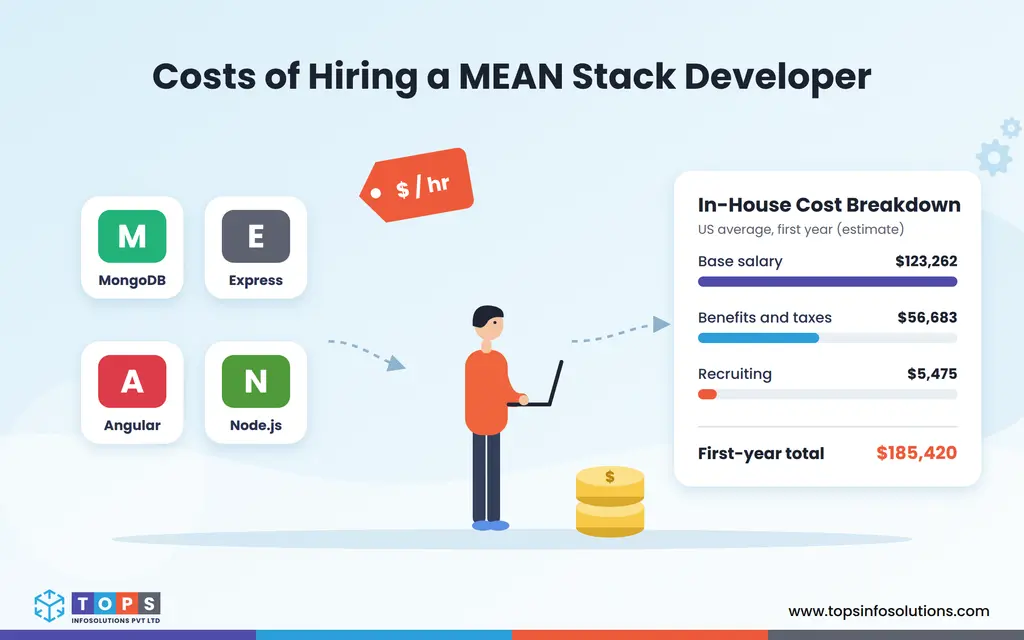
How Much Does It Cost to Hire MEAN Stack Developers in 2027?
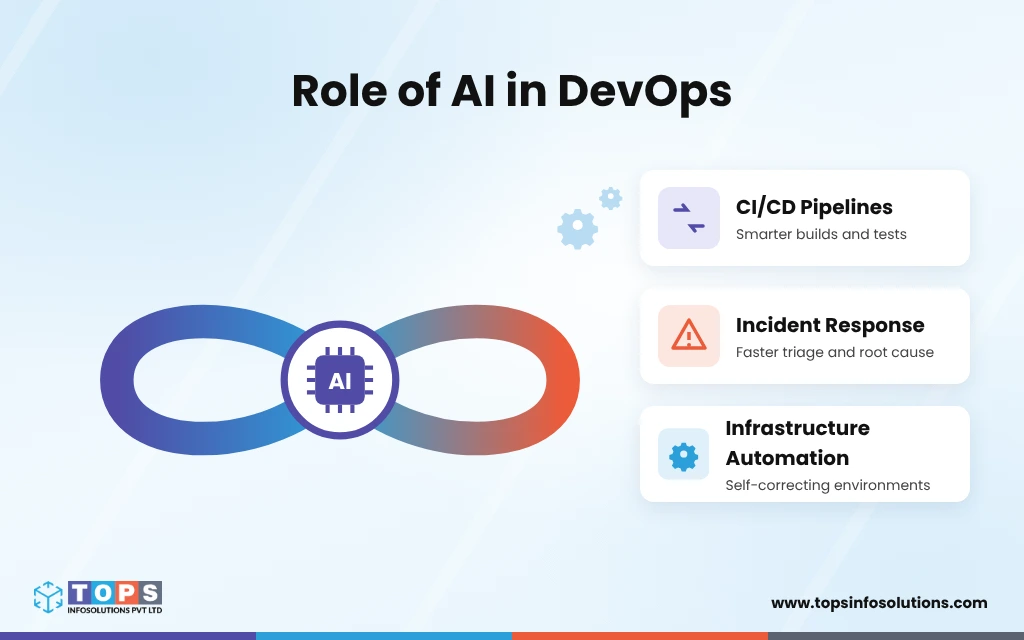
AI in DevOps: What Actually Works for CI/CD, Incident Response, and Infrastructure Automation
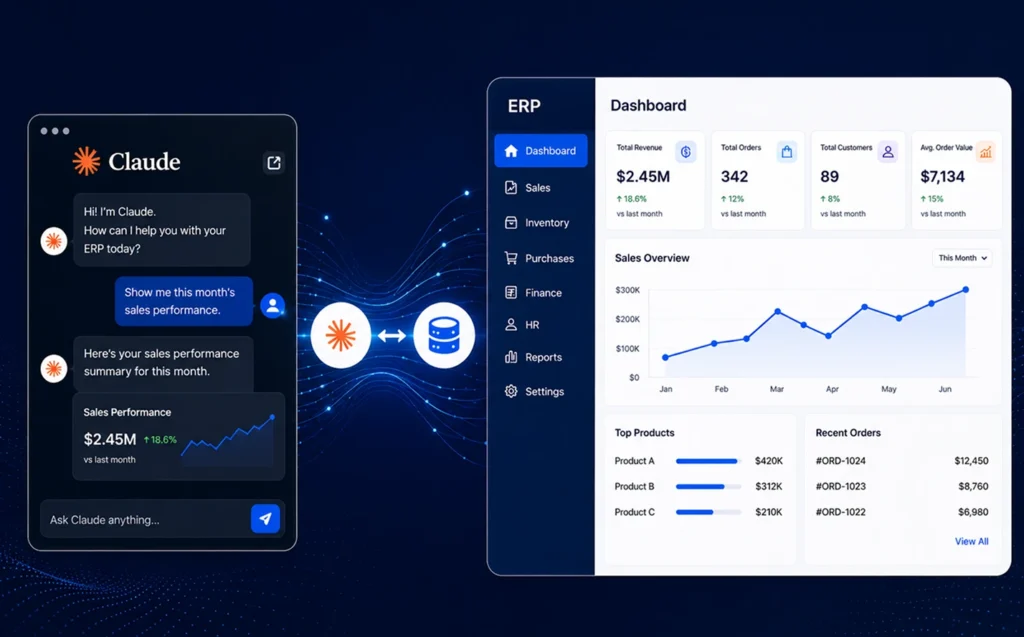
TOPS Infosolutions Is Certified in the Claude Partner Network
Get in Touch
Our Offices

Follow us on


Subscribe Us
Get TOPS Infosolutions' latest articles straight to your inbox.


Copyright © 2026 TOPS Infosolutions Pvt Ltd. All Rights Reserved